What to Put in a Range Notebook Before Your First Coaching Session
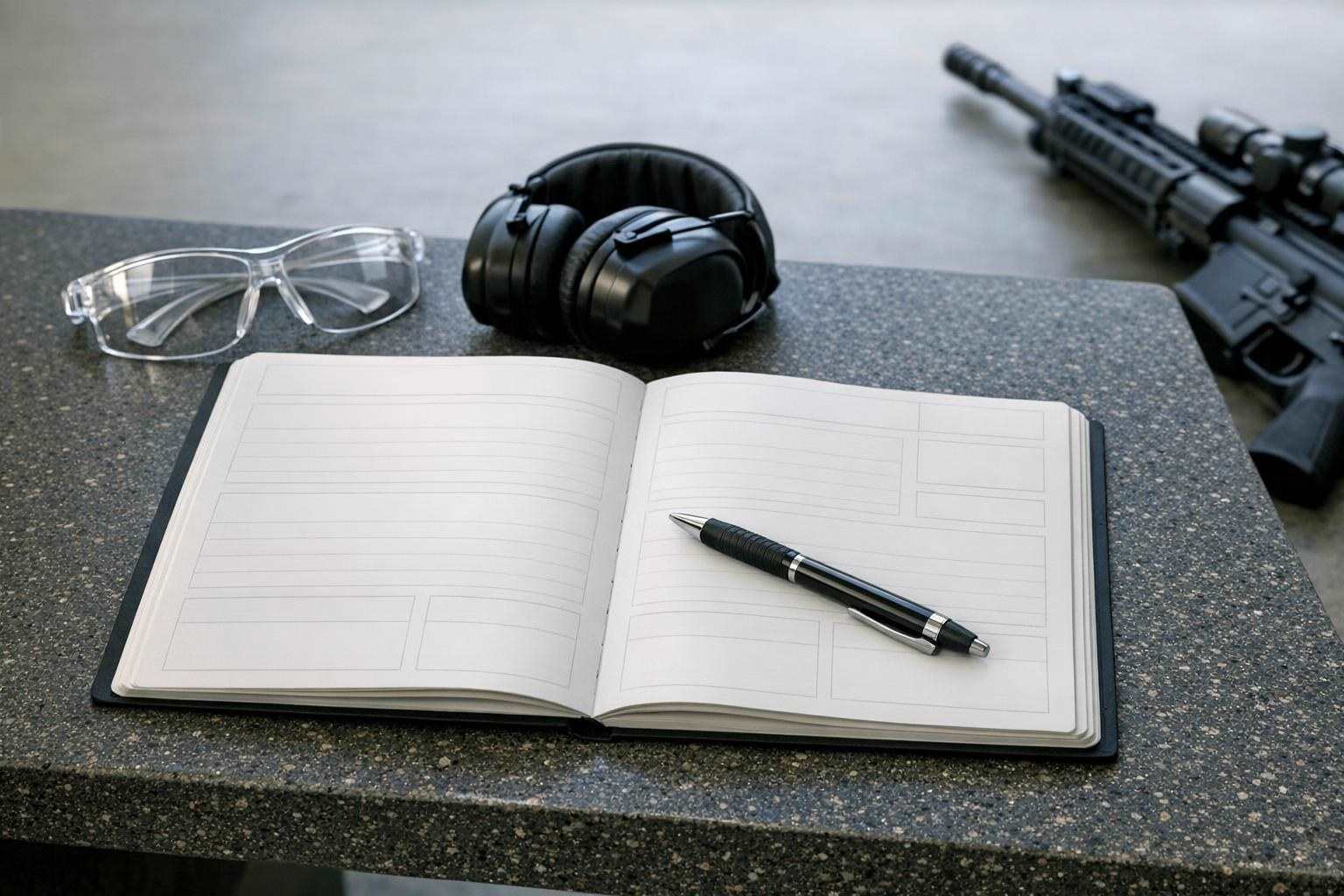
Many first coaching sessions can fill you with so much information that you can hardly remember it all. All the setup tips, the safety advice, the changes of shooting position and all the questions that occur to you while you are actually shooting all need to be written down somewhere. A good range notebook is used for making decisions and not for collecting loads of unnecessary information. The information that you want to store should contain what you brought with you, what you want to change and what has changed. There should also be space for the coach's input and for the range's procedures.
Start with the problem you want help solving
This means that rather than filling a number of pages with all the details of your shooting first list the problem that has brought you to the coaching session. This may be a number of wanderings of a shot, a sore back or any number of other troubles that you are experiencing with your shooting.
A first coaching session can produce a lot of information, many setup suggestions and even safety rules, to be remember. But a range notebook is for decisions, not for collecting random information. So write down what you brought to the session, what you want to improve, what changed and what you want to try next time. The coach can help you to develop your ideas, and the range may have their own procedures.
Leave space below your identified problem for three related observations. These would typically be recorded in the following form:
– What you notice happening
– When it tends to happen
– What you have already tried
This allows you to separate your observation from your assumption of why it is happening. In other words, your first impression of low shots may lead you to assume that you need to change your sight but in reality the cause of the low shot could be a number of things to do with your setup, your position, your movement etc. You need to check these out first before making any changes.
Record the starting conditions without making a data project
Put down your starting point. A few sentences about your next practice session, your equipment, what you've been doing recently, and so on will help you make sense of your notes later on. You can include things like the date, the sort of practice you're going to do, the equipment you'll be using, and so on. Any factor that might affect your practice or your notes.
Between detailing every inch of the shot and filling pages with data, there's a happy medium between not writing enough down and being distracted from your shot to detail every measurement. A few lines of context suffice for future reference.
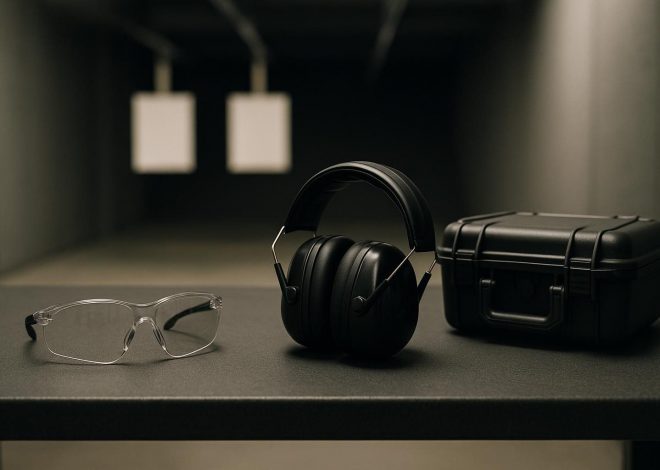
This is simply a list to help you remember what you need to take shooting. Use the list as a prompt to check the current range's instructions for what you need to take to their shooting ground. It will include things such as hearing and eye protection, shooting equipment (e.g. targets), rifles, shotgun cartridges, notebooks and pens, etc. for your own shooting and club notes etc.
Make safety notes visible and practical
Range safety must be written at the front of your notebook and not buried amongst your poor shooting form. All the safety notes that you require to be reminded of at the shooting range should be included here. The note would include details of where you will be waiting, what you can be doing with your shooting equipment and what you will be doing when the range is closed. Note also what you will do in the event of an abnormal situation occurring and what you will do if you are in any doubt as to what to do.
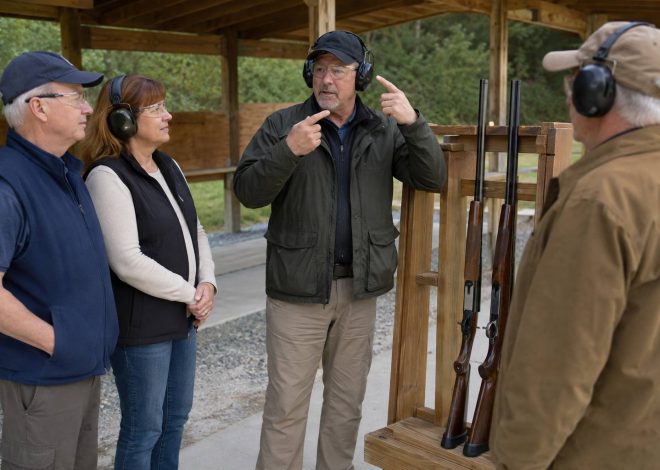
Range procedures can vary between clubs and often change. Therefore always listen to the range officer or club official who is responsible for your club's range, and refer to the current official government guidelines for your country for up-to-date safety information.
Leave a section of your notebook blank and title it "questions before handling equipment". This can just contain simple reminders to ask at appropriate times such as where will the shooting equipment be? When can I load and unload? How do I report a stoppage or abnormal situation? Stopping to solve a problem on the shooting line can be a bad idea – stop and keep the barrel pointing safely in the same direction as previously instructed and go and seek advice from the appropriate person.
A practical notebook doesn't have to restrict you to only the safe way of doing things. It can also list all the things that you should not change without the help of a coach or instructor.
Prepare questions that invite useful coaching
Record questions that help guide your coaching sessions too. It is important to note that a good coaching question describes the decision that the coach and pupil need to make and not the problem that caused a less than ideal shot. So instead of 'Why was that poor?' record 'What should I check first when the position feels to have moved?' or 'Which part of my setup can I leave the same and still get a good shot?'.
Before the session make a list of the questions you would like to have answered. Prioritise them in terms of relevance to the aspects of shot making that you are looking to improve. The coach may need time to watch you shot making in order to answer your question. One change that you can apply to your shot making is more useful than six.
Coaching observations as written down by the coach in the same two columns as above – "Coach observed…My next check…". The second column translates the first into actions that you can go away and remember. Thus, consistency to use the same setup every time and then check if it feels to work as expected.
It can also be useful to ensure that you understand coach-speak and for you to write down any terminology that you don't understand in your notebook and ask for it to be translated into practical language that you can apply in your shooting practice.
Turn the session into a manageable practice plan
The last pages of your notebook need to outline the things you plan to change for your next shot at practicing!
Remember that you are trying to practice safely and develop skills. That means to repeat the same setup for practice over and over until you get better. Write down what you need to focus on for your next range session. Also, list out any other things that you need to practice at home in order to be better.
When you have written down all you want to achieve at your practice session(s), then in your notebook after the session(s) make a very short note of what you felt had been achieved, and any further points that need to be covered in your next practice session. This could include a description of how you are now able to describe a problem with your shooting that previously you were not.
These notes can then form the basis of your post session practice plan. They can summarize out clearly what you did, what worked and what didn't. A review section would form the final section of your session notes. This should highlight off clearly any aspects of shooting that remained unclear, any elements that felt right or wrong and areas to go and discuss with coaches in future sessions.
A notebook for shooting ranges is a conversation between sessions. Firstly, it contains the problem(s) you had when you arrived at the range to practice. Then the notes from the coaching sessions, which enable you to recall what happened when. Finally, a structured format for the sessions between, in which you test out changes to your shooting in a sensible order.