Should You Observe, Train, or Shoot on Your First Rifle Club Visit?
Choosing Your Path at the Rifle Club: Watch, Train or Shoot?
When you visit a rifle club for the time the experience may feel a little intimidating. Many choices appear before you. You might wonder whether to sit and observe dive into training or jump into shooting. Each option gives an experience. Changes how you learn. For beginners or people who're new, to firearms simply watching can be a way to settle in.
What Do You Hope to Achieve?
Before you go to the rifle club pause for a moment and think about what you want. Are you completely new to firearms. Have you tried them before? Knowing your level of familiarity with firearms and range rules will help you decide whether to observe first or start training or shooting.
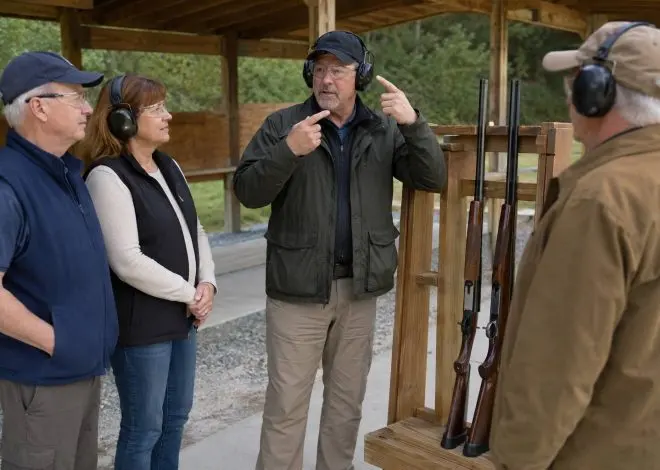
If you are new to handling firearms maybe you have never even held one – watching at the rifle club can help you ease into the environment. Observing lets you see how experienced shooters use the range follow safety rules and talk to each other. You will quickly get a feel for the rifle club's atmosphere and its culture – whether it feels friendly, strict or inclusive.
On the hand if you already have some experience and want to improve, booking a training session may be a choice. An instructor can give you guidance, correct mistakes and stress safety. Just be ready: arrive on time bring the gear you need and show that you are ready to learn.
The Importance of Safety Briefings
Never ignore the safety briefing. Think of it as your essential guide to safely move around the rifle club. In this session you will learn commands, emergency steps and safe movement rules that're vital when using firearms. Even seasoned shooters may want to skip this. Every rifle club has its rules that you must know.
Speak up if you are confused during the briefing; that's why staff is there. Knowing safety rules – like keeping the muzzle downrange and only loading your firearm when told – is vital. If the basic rules are unclear do not use a firearm.
Observing Club Culture and Community Dynamics
As you settle in at the rifle club notice how club members interact. The behavior you see often shows the club's values. Are experienced shooters welcoming to newcomers? Do they. Share tips? A supportive environment helps learning and makes you feel part of the community.
Watch how mistakes are handled. Do members help each other constructively. Do they criticize harshly? A healthy rifle club encourages growth and learning and people feel safe to ask questions. Punctuality matters; arriving late can make you miss information and may disturb others.
Emphasizing Learning Rather Than Performance
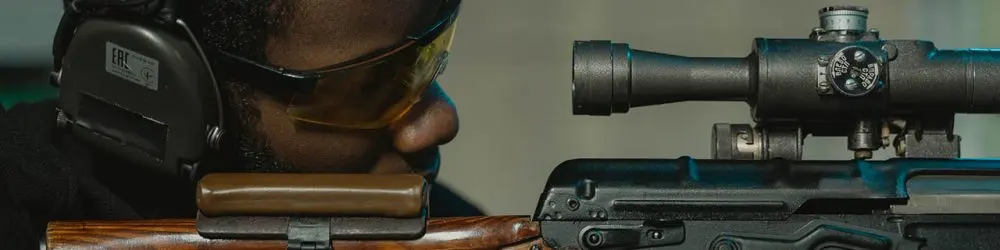
When you go to the range shift your focus from performance to learning. The goal is not just to hit targets – it is to understand safety rules commands from range officials and how to handle your firearm properly. Before you pull the trigger make sure you know how to load, where to stand and what to do when commands are given.
Keep communication with your instructor. Tell them how comfortable you are with firearms any experience you have and any concerns. This helps them tailor the training to your needs letting you build confidence at your pace. Progress in shooting comes not from rushing but from building habits and really understanding the basics.
Essential Checklist Before Your Visit
Being prepared can make your visit to the rifle club. Use this checklist to get ready:
– Decide whether you will watch, train or shoot.
– Check membership rules; some rifle clubs restrict non‑members from shooting.
– Verify what equipment, ammunition and firearms are allowed.
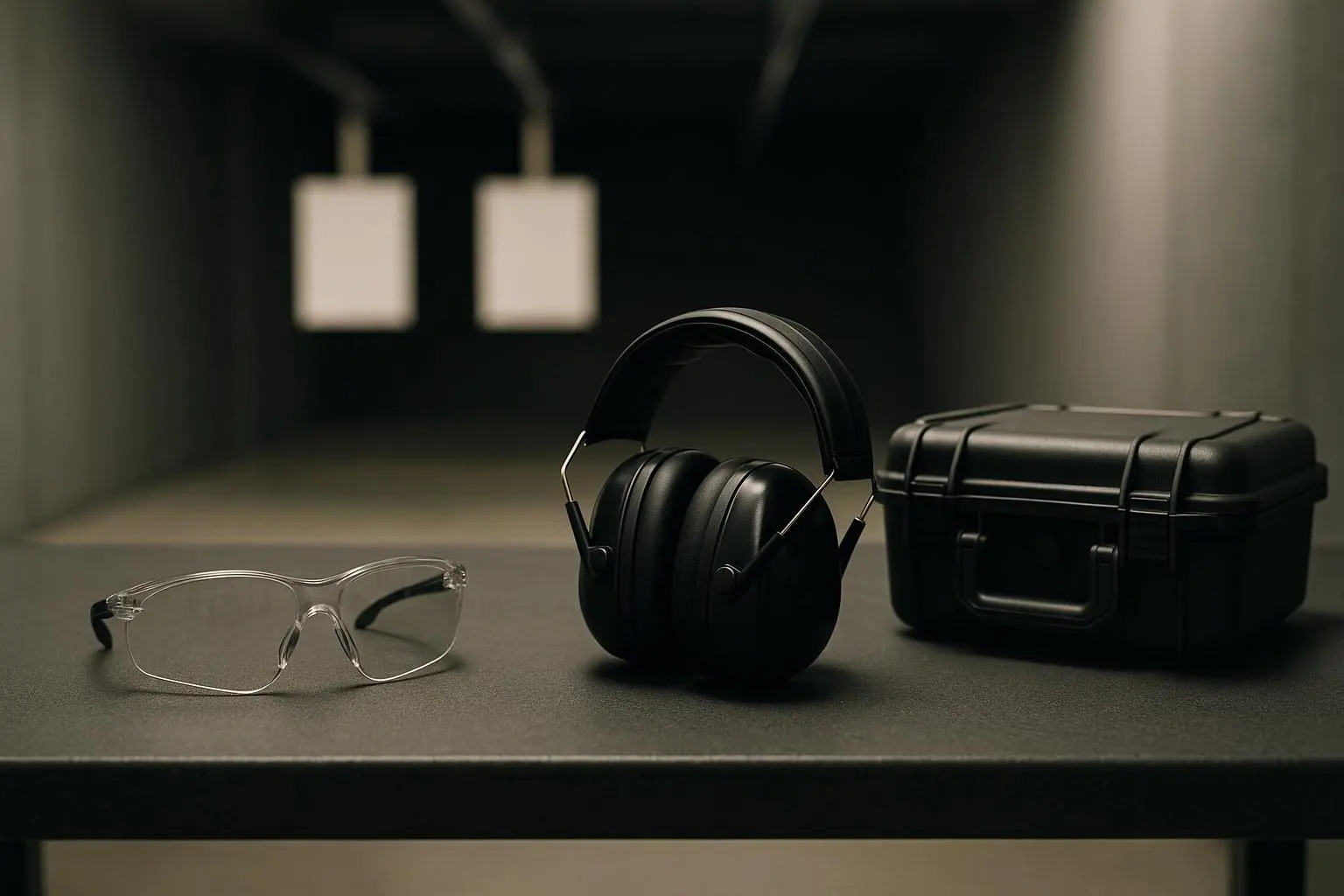
– Bring eye and ear protection as these may be required.
– Dress appropriately for the weather. Avoid clothing that could get caught.
– Allow time for signing in and, for the safety briefing.
– Transport your firearm safely: always unloaded, in a case and following laws.
– Familiarize the participant, with range commands and procedures by consulting someone at the club if the participant's uncertain.
Stay Updated on Local and Club Regulations
Be aware that rules and regulations can change over time. What may have been valid in the past may not hold true today. Local laws and individual club policies can evolve so it is best not to rely on hearsay. Directly checking with the club before the participants visit is always wise.
In essence the participant should prepare to watch learn and engage actively. By doing the participant will foster an fulfilling experience. Show respect, towards the staff, fellow shooters and the established rules-these elements combine to create a foray into the world of shooting sports.