How Strong Safety Culture Makes a Better Shooting Club: The Details That Matter Most
Before attending a new shooting session, decide what matters most: simply getting on the line, or finding a club where you can learn the right habits from the start. That choice affects the questions you ask and how you judge the range's atmosphere. A first visit by a curious adult, family member or returning participant offers a useful test. The strongest clubs make safety visible without making newcomers feel unwelcome. Their culture is built through ordinary decisions, repeated consistently.
The first visit is a test of communication
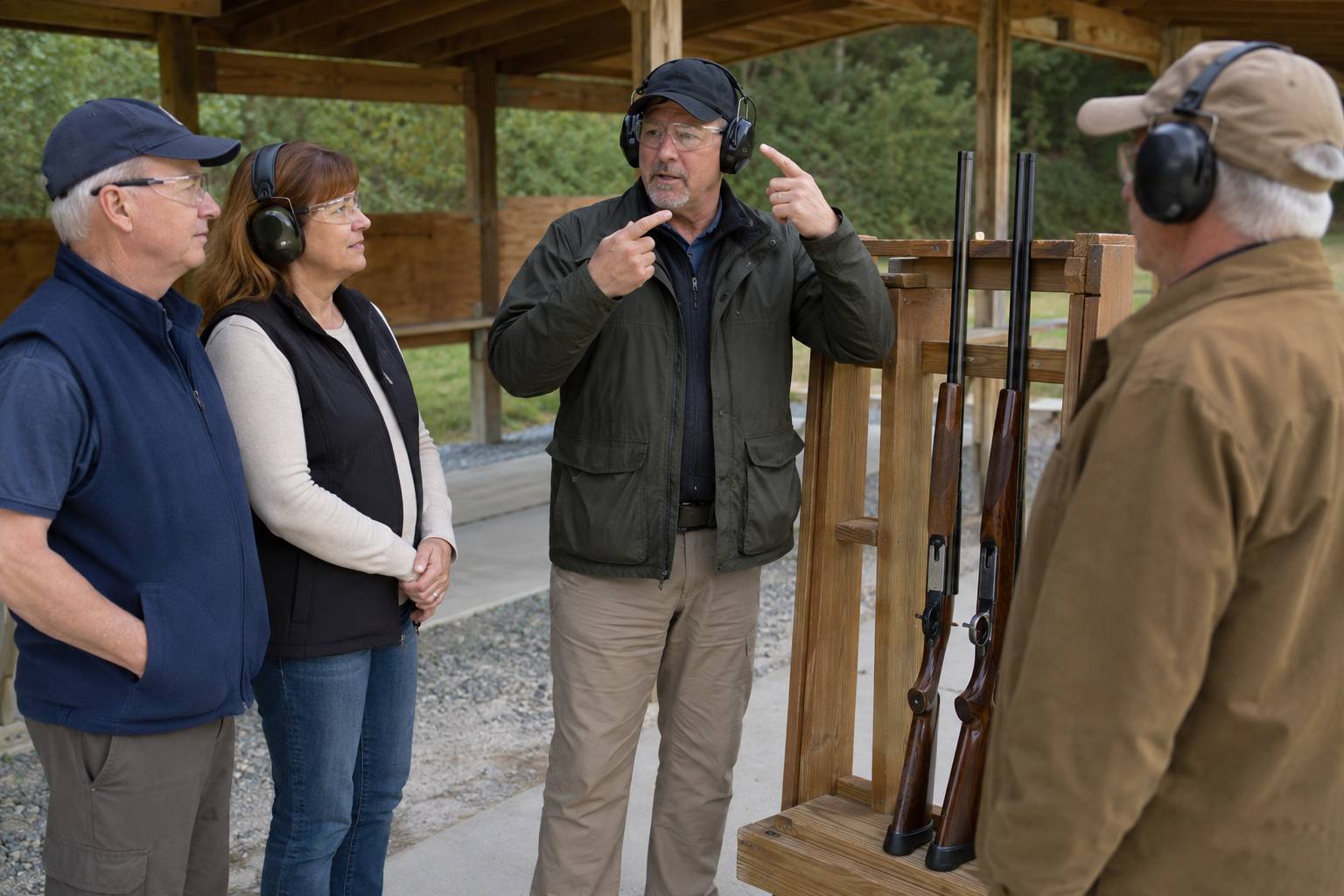
Suppose you arrive for a scheduled session with a firearm, equipment or paperwork you have not used at that range before. You are unsure where to wait, who gives the briefing or whether your equipment meets the club's requirements. A well-run environment does not leave you guessing. Someone should explain the arrival process, identify the waiting area and tell you when a range officer or instructor will speak with you.
That welcome is part of safety. Clear directions reduce rushing, wandering and assumptions around firearms. Notice how questions are received. Answers should be respectful and specific: where equipment may be handled, when it must remain secured, which commands control activity and what to do if you are uncertain.
A friendly club does not mean a casual one. The better sign is a calm atmosphere in which rules are explained before they need to be enforced.
What good firearm safety procedures look like in practice
Safety culture is easiest to recognise in small pauses. Participants stop when instructed, keep equipment pointed in the designated safe direction and wait for clear permission before handling it. They know where to place equipment during a ceasefire, how to make their status clear and who can stop activity. Procedures vary between ranges, so follow the local briefing rather than habits from another venue.
A new participant may worry about appearing inexperienced. That is precisely when speaking up matters. If you miss a command, cannot hear an instruction or are unsure whether handling is permitted, stop and ask the range officer. Do not copy the person beside you. Familiarity may make an experienced participant move quickly, but it never replaces the range's stated procedure.
The same principle applies to equipment problems. If something does not operate as expected, keep it pointed in the safe direction, stop and seek assistance according to the range's instructions. Do not improvise repairs or continue because others are waiting. Safe procedures make the cautious choice normal, not embarrassing.
Training should build judgement, not just routine
Rifle club training is most useful when it explains why a rule exists. Someone who understands the purpose behind commands is better prepared when conditions change: a different firing point, unfamiliar equipment, a noisy session or a busy line. Good instruction develops safe handling, listening, communication and the confidence to pause.
Look for training that allows questions and supervised practice. The right pace depends on the person, equipment and range setup. Someone returning after a long break may need a refresher, while a first-time participant may need a slower introduction to the layout and commands. Neither should be treated as a nuisance.
Training also means learning the limits of your knowledge. Leave knowing which actions require an instructor or range officer, how to report a concern and where to find the current club rules. A certificate, membership category or previous experience does not replace the instructions in front of you.
Shooting range etiquette keeps everyone focused
Etiquette is safety expressed through consideration. Arrive in time for the required briefing rather than entering mid-session. Keep conversations quiet during instructions, respect other participants' concentration and ask before borrowing or moving equipment. Avoid unsolicited coaching, especially when you do not know the person's training level.
During a ceasefire or other controlled pause, follow the range officer's directions exactly. Do not handle equipment, cross a marked boundary or return to a firing position until the range is declared active. If you need to leave the line, tell the appropriate person instead of slipping away unnoticed.
Away from the firing point, keep shared areas orderly, place waste where the club directs and report damaged fixtures, unsafe conduct or unclear signage. Reporting a problem early contributes to the club, even when the issue seems minor.
Verify local rules before relying on memory
Firearm laws, transport requirements, licensing conditions and range rules are not interchangeable, and they may change. Before attending, check the club's current instructions and consult relevant official government or regulator guidance for your circumstances. If you are unsure about a legal requirement, ask the appropriate authority or a qualified professional rather than treating informal advice as confirmation.
The same caution applies to equipment. A firearm or accessory acceptable elsewhere may not suit a particular range, event or participation category. Confirm requirements before travelling, including conditions relating to storage, supervision, ammunition or approved equipment. Current local rules take priority over an old forum post, a friend's recollection or advice from another state or country.
For a first visit, this preparation checklist is enough:
– Confirm the session time, arrival process and required identification or membership information.
– Read the current range rules and note who gives the safety briefing.
– Ask what equipment is permitted and how it must be transported and stored.
– Arrive early enough to listen without rushing.
– Decide in advance that any uncertainty means stopping and asking.
That final decision connects participation, training and etiquette. A strong shooting club does not depend on newcomers knowing every detail. It creates conditions in which people can learn, ask sensible questions and follow consistent procedures. When instructors, officers and members share those habits, the range becomes easier to navigate and safer to enjoy-not through intimidation, but through attention, patience and responsibility.
